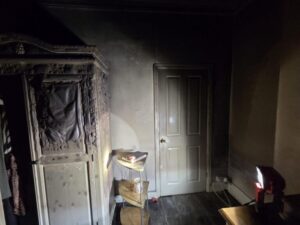
Fire safety is a top priority for every business and building owner, but with changing legislation, it can be challenging to keep up with the necessary measures.
From 1 October 2023, the Building Safety Act 2022 will introduce new duties that will impact fire safety in England and Wales.
As part of the government’s fire safety reform program, these changes aim to improve fire safety measures and protect both businesses and building occupants.
To ensure compliance with the new legislation, it is crucial to understand the importance of fire risk assessments and their role in fire safety.
In this blog post, we will discuss what a fire risk assessment is, why it matters, and what should be included in one.
What is a Fire Risk Assessment?
Simply put, a fire risk assessment is an evaluation of potential fire hazards and risks in a building.
It involves identifying potential fire hazards and assessing the measures in place to manage those risks.
This assessment helps businesses and building owners understand their responsibilities and take necessary steps to prevent or mitigate the effects of a fire.
The Fire Safety Order is the primary fire safety legislation in England and Wales, covering non-domestic premises and communal areas in residential buildings.
The Building Safety Act 2022 will amend this legislation, placing more emphasis on the responsibilities of building owners to ensure fire safety.
Why are Fire Risk Assessments Important?
Fire risk assessments are an essential aspect of fire safety.
They help businesses and building owners identify potential hazards and take necessary precautions to prevent fires from occurring.
By conducting a fire risk assessment, one can:
- Identify Fire Hazards: A thorough assessment helps identify potential sources of ignition, combustible materials, and other fire hazards that may exist on the premises.
- Understand Risks: Once hazards are identified, risks can be assessed based on factors such as likelihood and severity. This information can then be used to prioritize fire safety measures.
- Evaluate Existing Fire Safety Measures: A fire risk assessment also assesses the adequacy of existing fire safety measures. It helps determine if the measures in place are sufficient or need to be improved.
- Develop an Evacuation Plan: Fire risk assessments also involve creating an evacuation plan for the building and its occupants. This plan should be regularly tested and updated to ensure its effectiveness in case of a fire.
- Ensure Compliance: Fire risk assessments help businesses and building owners comply with fire safety legislation. In October 2023, it will be mandatory for all premises to have a recorded fire risk assessment, regardless of their size or type of business.
What should be included in a Fire Risk Assessment?
A suitable and sufficient fire risk assessment must cover all potential hazards and risks in a building.
It should be tailored to the specific building and its occupants.
Some essential elements that should be included in a fire risk assessment are:
- Fire Safety Equipment: The assessment should document the location and condition of all fire safety equipment, such as extinguishers, smoke alarms, and emergency lighting.
- Emergency Evacuation Plan: The evacuation plan should be detailed in the assessment, including procedures for different types of emergencies, designated assembly points, and evacuation routes.
- Fire Prevention Measures: A fire risk assessment should also highlight any measures in place to prevent fires from occurring, such as proper storage of combustible materials and regular maintenance of electrical equipment.
- Record Keeping: The assessment should document when the fire safety equipment was last checked and serviced, as well as any maintenance or training records related to fire safety.
- Regular Reviews: Fire risk assessments should be reviewed regularly to ensure they remain relevant and effective in managing fire risks.
In conclusion, fire risk assessments are an essential tool for businesses and building owners to ensure compliance with fire safety legislation and protect their premises and occupants.
The government has also published guidance on their website, which can provide further details and clarifications on what should be included in a fire risk assessment.
As a responsible business or building owner, it is crucial to understand and implement the necessary fire safety measures.
If you have any questions or need help with conducting a fire risk assessment, do not hesitate to seek guidance from a fire safety inspector or professional.
Don’t wait until it’s too late. Start your fire risk assessment today to ensure the safety of everyone on your premises.