
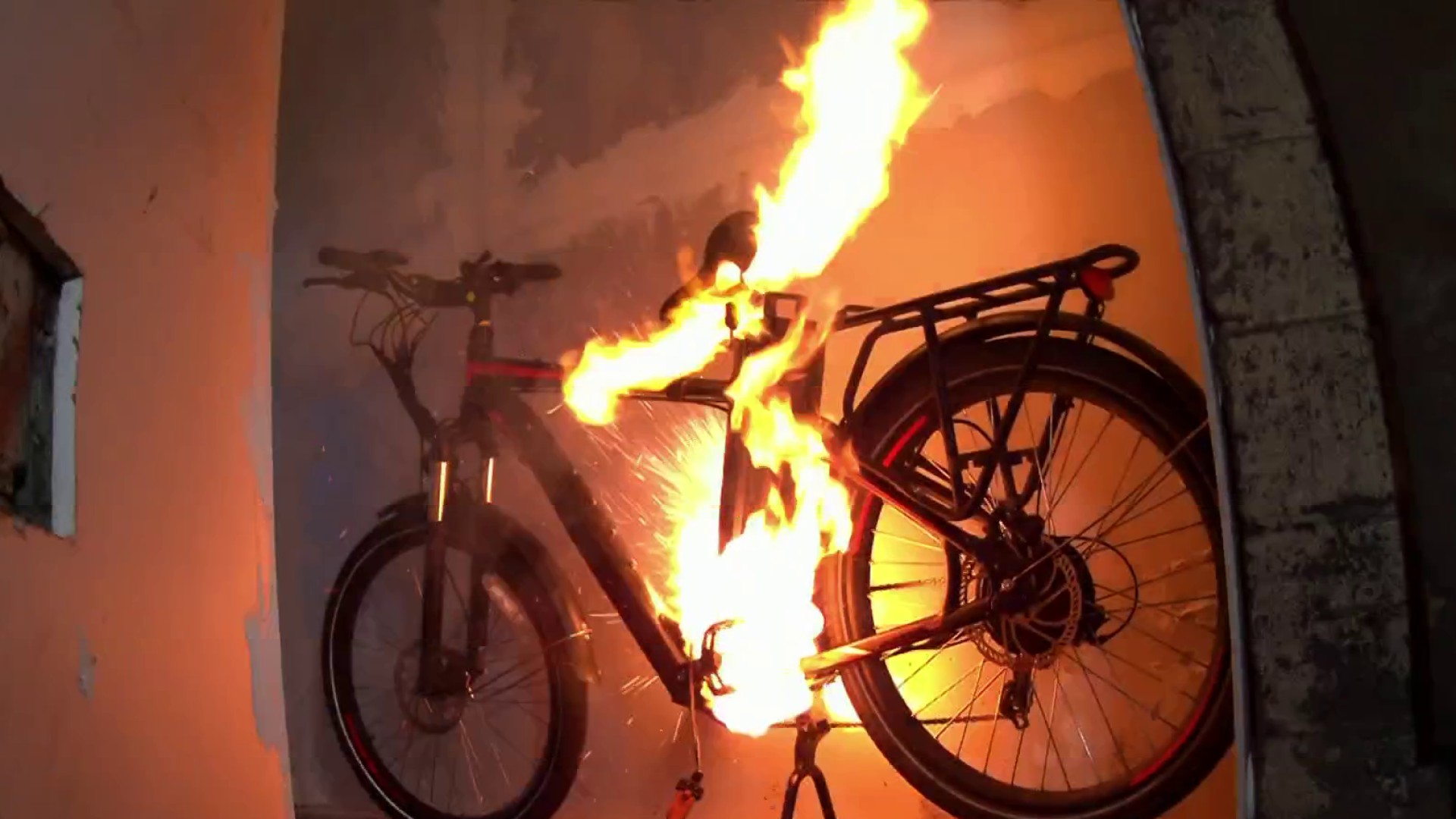
Fire crews across Hampshire have responded to multiple house fires caused by charging electric bikes, prompting renewed warnings about the dangers posed by lithium-ion battery products when they are used or charged incorrectly.
The incidents, which occurred in Southampton and Aldershot, underline growing concerns from the Hampshire & Isle of Wight Fire & Rescue Service (HIWFRS) as the use of e-bikes, e-scooters and battery-powered devices continues to rise.
With Christmas approaching and more battery-powered products entering homes, the fire service is urging residents to take extra care.
Southampton Fire Caused by Charging E-Bike
Just this week, firefighters were called to a property in Southampton after a charging electric bike caught fire inside the home.
Crews entered the property wearing breathing apparatus to extinguish a blaze involving a lithium-ion battery pack.
Smoke spread throughout the kitchen, lounge and first floor of the house, requiring ventilation fans to clear the property after the fire was brought under control.
While no serious injuries were reported, the incident demonstrates how quickly battery fires can escalate and how toxic smoke can affect large parts of a home — even when flames are confined to one area.
Aldershot Garage Blaze Linked to Battery Pack
A similar incident occurred last month in Aldershot, where an electric bike battery pack ignited inside a garage.
Although the fire was out on arrival, it generated a large volume of smoke and caused significant damage to surrounding items.
Firefighters used ventilation equipment to clear the smoke and ensure the property was safe.
These back-to-back incidents reflect a pattern being seen across the UK, where lithium-ion batteries are increasingly involved in domestic fires.
Why Lithium-Ion Battery Fires Are So Dangerous
Lithium-ion batteries burn differently from conventional electrical fires. When they fail, they can enter thermal runaway, producing intense heat, rapid flame spread, and dense, toxic smoke.
Common risk factors include:
- Using non-approved or counterfeit chargers
- Overloading sockets or extension leads
- Charging devices overnight or while unattended
- Damaged, modified, or poorly manufactured batteries
Once a battery ignites, fires can spread rapidly — particularly in enclosed spaces such as kitchens, hallways, or garages.
Fire Service Safety Advice Ahead of Christmas
HIWFRS Prevention Manager Tracey Webb issued a clear warning as seasonal shopping increases:
“At this time of year, we know lots of you across Hampshire and Isle of Wight will be out searching for the best gifts to give to your loved ones – we want to ensure those gifts are safe and don’t present a fire risk.”
She urged residents to:
- Buy electrical products only from reputable retailers
- Ensure devices meet UK safety standards
- Use the charger supplied with the product
- Avoid overloading sockets
- Never leave devices charging overnight or unattended
Residents are also reminded to ensure working smoke alarms are installed on every level of their home.
The original fire service report can be read here:
🔗 https://www.hantsfire.gov.uk/incident/electric-bikes-on-charge-spark-fires-across-hampshire/
The Importance of Fire Containment and Early Warning
As seen in recent Hampshire incidents, fires involving battery packs often produce large volumes of smoke before flames spread.
Simple measures can dramatically reduce risk:
- Charging devices away from escape routes
- Keeping charging equipment off soft furnishings
- Closing internal doors, especially at night
- Ensuring smoke alarms are working and tested regularly
In larger buildings, purpose-designed fire doors and compartmentation are critical in slowing fire and smoke spread — buying time for occupants to escape and emergency services to respond.
How ESI: Fire Safety Can Help
While these incidents occurred in domestic settings, lithium-ion battery risks also affect workplaces, blocks of flats, storage areas, and commercial premises.
ESI: Fire Safety supports organisations across Hampshire, Surrey and Berkshire with practical fire safety advice and compliance support, including:
- Professional Fire Risk Assessments
- Advice on managing lithium-ion battery charging risks
- Review of storage, charging locations, and escape routes
- Fire door and compartmentation assessments
- Clear, prioritised action plans aligned with current guidance
As battery-powered transport and devices become more common, managing these risks properly is no longer optional.
A Growing Risk That Needs Managing
Electric bikes and other lithium-ion powered devices offer clear benefits — but when used incorrectly, they present a serious fire hazard.
The recent fires in Southampton and Aldershot show how quickly everyday charging habits can turn into emergencies.
Whether at home or in the workplace, prevention, early detection, and containment remain the key to keeping people safe.
If you are responsible for a building and are unsure whether lithium-ion battery risks have been properly considered in your fire safety arrangements, now is the time to act.
Contact ESI: Fire Safety to discuss a Fire Risk Assessment or fire safety review — and make sure modern fire risks are properly managed before they become incidents.
